Inherited Seeds Heirloom Survival Kit (42 Varieties)
Inherited Seeds Heirloom Survival Kit (42 Varieties)
Couldn't load pickup availability
Heirloom Survival Kit · Open-Pollinated · Naturally Grown · Non-GMO · Seed-Saving Ready
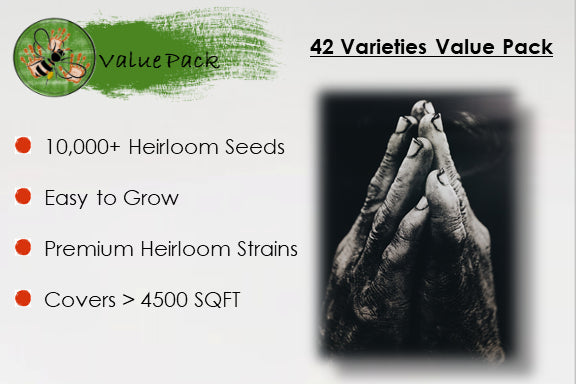
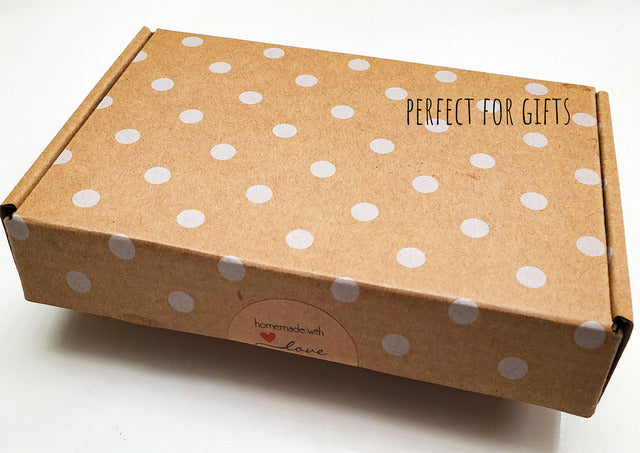
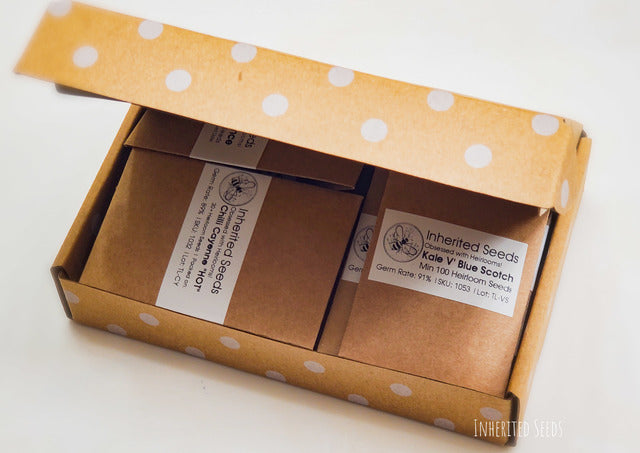
The Inherited Seeds Heirloom Survival Kit is a complete garden in one box. It holds 10,000+ open-pollinated seeds of vegetables, greens, roots and herbs, enough to plant more than 4,500 sq ft across spring, summer and fall. Every variety is non-GMO and seed-saving ready, so one kit can keep feeding your family year after year. It's a smart gift for new gardeners and a reliable backup for experienced ones.
What's Included
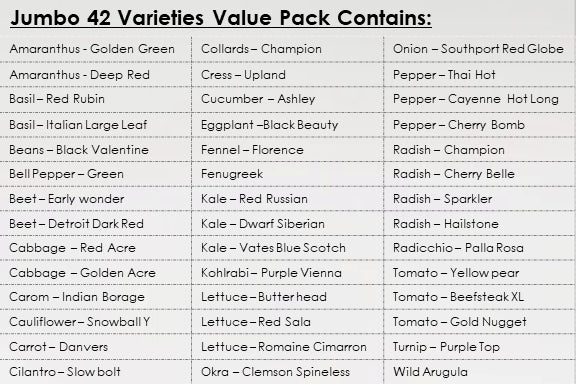
- Greens: Amaranth Golden Green and Deep Red, Collard Champion, Upland Cress, Kale (Red Russian, Dwarf Siberian, Vates Blue Scotch), Lettuce (Cimmaron, Butterhead, Red Salad Bowl), Radicchio Palla Rosa, Wild Arugula
- Herbs: Basil Red Rubin and Italian Large Leaf, Cilantro Slow Bolt, Carom (Ajwain), Fennel Florence, Fenugreek
- Brassicas: Cabbage Golden Acre and Red Acre, Cauliflower Snowball Y, Kohlrabi Purple Vienna
- Roots: Beets Early Wonder and Detroit Dark Red, Carrot Danvers, Onion Southport Red Globe, Radish (Champion, Cherry Belle, Sparkler, Hailstone)
- Fruiting crops: Beans Black Valentine, Green Bell Pepper, Cucumber Ashley, Eggplant Black Beauty, Okra Clemson Spineless, Tomatoes (Classic Beefsteak, Gold Nugget, Yellow Pear)
- Hot peppers: Thai Hot, Long Slim Cayenne, Cherry Bomb
- Minimum 10,000 seeds, covering more than 4,500 sq ft
Plant Profile
Plant Profile
Kit Contents: Open-pollinated vegetables, greens, roots and herbs
Seeds: Minimum 10,000
Coverage: More than 4,500 sq ft
Type: Heirloom and open-pollinated; seed-saving ready
Seasons Covered: Cool-season spring and fall crops plus warm-season summer crops
Sun: Mostly full sun; greens tolerate partial shade
Days to Harvest: From 3 weeks (radishes, greens) to 90 days (tomatoes, peppers)
Sowing Depth: 1/8–1 in., depending on seed size
Germination: 3–21 days, depending on crop and soil temperature
Storage: Keep unopened seed cool, dark and dry for best long-term viability
Garden Use: Home gardens, homesteads, raised beds, community gardens
Best For: New gardeners, preparedness pantries and gifts
Culinary & Traditional Uses
Culinary & Traditional Uses
This kit covers everything from salads and stir-fries to curries, sauces and spice blends.
- Salads all season from lettuce, arugula, cress and radicchio
- Curries and dals with amaranth, fenugreek, eggplant and okra
- Sauces, salsa and canning from three tomato varieties
- Stir-fries and slaws with kale, cabbage and kohlrabi
- Pickles from cucumbers, radishes, beets and peppers
- Fresh herbs for pesto, chutney and garnishes
How to Grow
How to Grow
Plant the kit in waves through the year. Cool-season crops go in early, warm-season crops after frost.
- Early spring, 2–6 weeks before your last frost: sow radishes, lettuce, arugula, cress, kale, collards, beets, carrots and onions outdoors.
- 8–10 weeks before your last frost: start tomatoes, peppers and eggplant indoors under lights.
- 4–6 weeks before your last frost: start cabbage, cauliflower and kohlrabi indoors, then transplant around your last frost.
- After your last frost, when soil is warm: sow beans, cucumbers, okra, amaranth, basil and cilantro, and transplant tomatoes, peppers and eggplant.
- Midsummer: sow carrots, beets, kale, collards and brassicas for a fall harvest.
- Late summer to early fall: sow radishes, lettuce, arugula and cilantro again.
- Let a few of the best plants of each variety go to seed to save for next year.
What NOT To Do
- Don't open every packet at once; store unused seed sealed, cool and dry
- Don't sow warm-season crops into cold soil
- Don't plant all of one crop at once; succession sowing spreads the harvest
- Don't save seed from varieties of the same crop grown side by side without isolation
Regional & International Names
Regional & International Names
- Hindi: Beej (बीज)
- Tamil: Vithai (விதை)
- Telugu: Vittanam (విత్తనం)
- Kannada: Beeja (ಬೀಜ)
- Spanish: Semillas
- English: Heirloom Seeds, Survival Seeds, Seed Bank
FAQ
FAQ
How long will the seeds last?
Stored cool, dark and dry, most vegetable seeds stay viable for 2–5 years; some, like tomatoes and peppers, often longer.
Is this kit good for beginners?
Yes. It includes many easy, fast crops like radishes, lettuce, beans and greens alongside longer-season favorites.
Can I save seeds from these varieties?
Yes. Every variety is open-pollinated, so seeds saved from healthy plants grow true to type, as long as different varieties of the same crop aren't cross-pollinated.
Share