Green Mochai Seeds – Indian Hyacinth Bean
Green Mochai Seeds – Indian Hyacinth Bean
Couldn't load pickup availability
Green Mochai · Heirloom · Open-Pollinated · Naturally Grown · Non-GMO · Traditional to Tamil Nadu & Karnataka
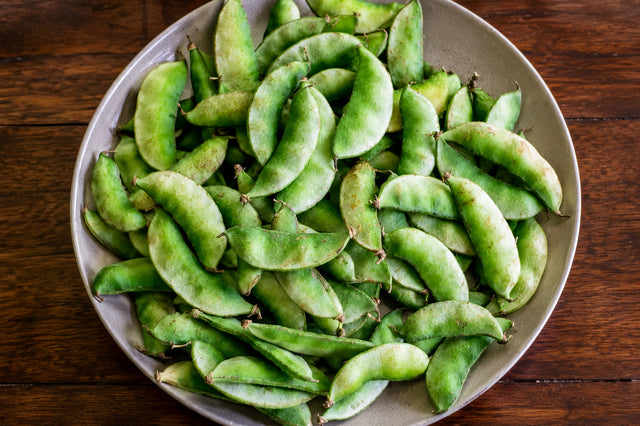
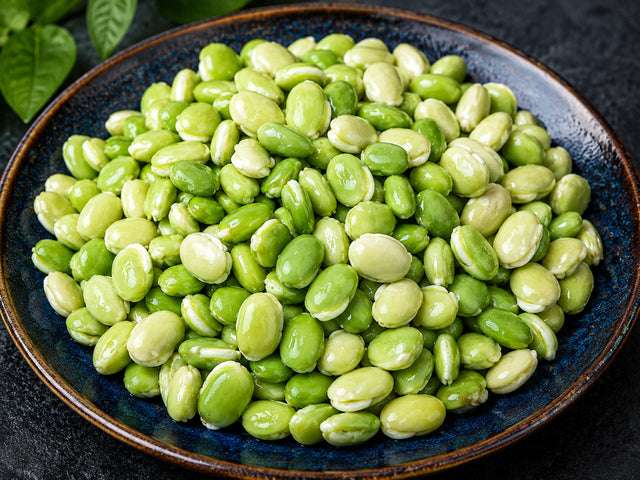
Green Mochai is the field bean South Indian cooks wait for all year. Inside its flat green pods are plump, nutty beans that make the richest mochai kuzhambu and Bengaluru's beloved avarekalu saaru. Fresh mochai is almost impossible to find in US stores, but one strong trellis of this vigorous climber will keep your kitchen supplied through late summer and fall.
Why Grow Green Mochai?
- Authentic Tamil and Kannada favorite rarely sold fresh in the US
- Plump, creamy shelling beans with a deep, nutty flavor
- Vigorous climbing vine with generous harvests from one trellis
- Fixes its own nitrogen, so it needs little fertilizer
- Tolerates heat, drought and poor soil once established
Plant Profile
Plant Profile
Botanical Name: Lablab purpureus
Common Name: Green Mochai, Hyacinth Bean, Field Bean
Type: Heirloom, open-pollinated
Crop: Shelling bean and edible pod
Pod Color: Green
Plant Habit: Vigorous climbing vine, 10–15 ft
Season: Warm season; pods set late summer into fall
Sun: Full sun, 6–8+ hours
Days to Harvest: 90–120 days from sowing
Sowing Depth: 1 in.
Germination: 7–14 days at 70–85°F soil
Harvest: Pick when pods are full and beans bulge but pods are still green
Garden Use: Trellises, fences, arches and cattle panels
Culinary & Traditional Uses
Culinary & Traditional Uses
Fresh mochai beans are shelled and cooked into some of the most comforting dishes in South Indian cooking.
- Mochai Kuzhambu: a tangy tamarind gravy with brinjal and fresh mochai
- Avarekalu Saaru: the Karnataka winter favorite, a spiced bean curry served with ragi mudde or rice
- Hitikida Avarekalu: beans squeezed from their skins and cooked with coconut and spices
- Avarekalu Uppittu and Akki Rotti: fresh beans folded into upma and rice-flour flatbreads
- Mochai Sundal and Poriyal: quick sautés with coconut and mustard seeds
- Always cook fresh or dried beans thoroughly before eating
How to Grow
How to Grow
Green Mochai is a long-season climber. Give it warm soil, full sun and something tall to climb.
- Sow outdoors 1–2 weeks after your last frost date, when soil is at least 65°F. In short-season areas, start indoors in 4 in. pots 3 weeks earlier.
- Install a sturdy trellis 6–8 ft tall before sowing, so you don't disturb roots later.
- Sow seeds 1 in. deep and 6 in. apart along the trellis, then thin to 12 in. apart.
- Water after sowing, then keep soil just moist, not soggy, until seedlings appear in 7–14 days.
- Guide young vines onto the trellis. Skip heavy nitrogen fertilizer, which gives leaves instead of pods.
- Expect flowering as days shorten in late summer. Water deeply once a week during flowering and pod set.
- Harvest pods when the beans inside are plump. Pick every few days to keep the vine producing until frost.
What NOT To Do
- Don't sow into cold, wet soil; seeds rot before they sprout
- Don't overfeed with nitrogen; you'll get lush vines and few pods
- Don't skimp on support; mature vines are heavy
- Don't eat the beans raw; always cook them thoroughly
Regional & International Names
Regional & International Names
- Tamil: Mochai, Avarai (மொச்சை, அவரை)
- Kannada: Avarekalu, Avare (ಅವರೆಕಾಳು)
- Telugu: Chikkudu (చిక్కుడు)
- Malayalam: Amara (അമര)
- Hindi: Sem Phali (सेम फली)
- Marathi: Pavta, Walpapdi
- Gujarati: Val Papdi (વાલ પાપડી)
- English: Hyacinth Bean, Lablab Bean, Field Bean
- Vietnamese: Đậu Ván
- Kenya: Njahi
FAQ
FAQ
Why is my Mochai vine growing but not flowering?
Many traditional Indian lablab types flower as days shorten. Expect flowers and pods from late summer into fall; in short-season areas, starting seeds indoors gives the vine more time.
Are hyacinth beans safe to eat?
Yes, when cooked. Like many beans, raw or undercooked lablab beans should be avoided, so always boil or cook them thoroughly.
Can I eat the pods too?
Very young, tender pods can be cooked like flat beans, but Green Mochai is grown mainly for the fresh shelled beans.
Share