Gongura Roselle Red (Jamaican Sorrel / Florida Cranberry)
Gongura Roselle Red (Jamaican Sorrel / Florida Cranberry)
Couldn't load pickup availability
Red Gongura · Heirloom · Open-Pollinated · Naturally Grown · Non-GMO · Traditional to Andhra Pradesh & the Caribbean
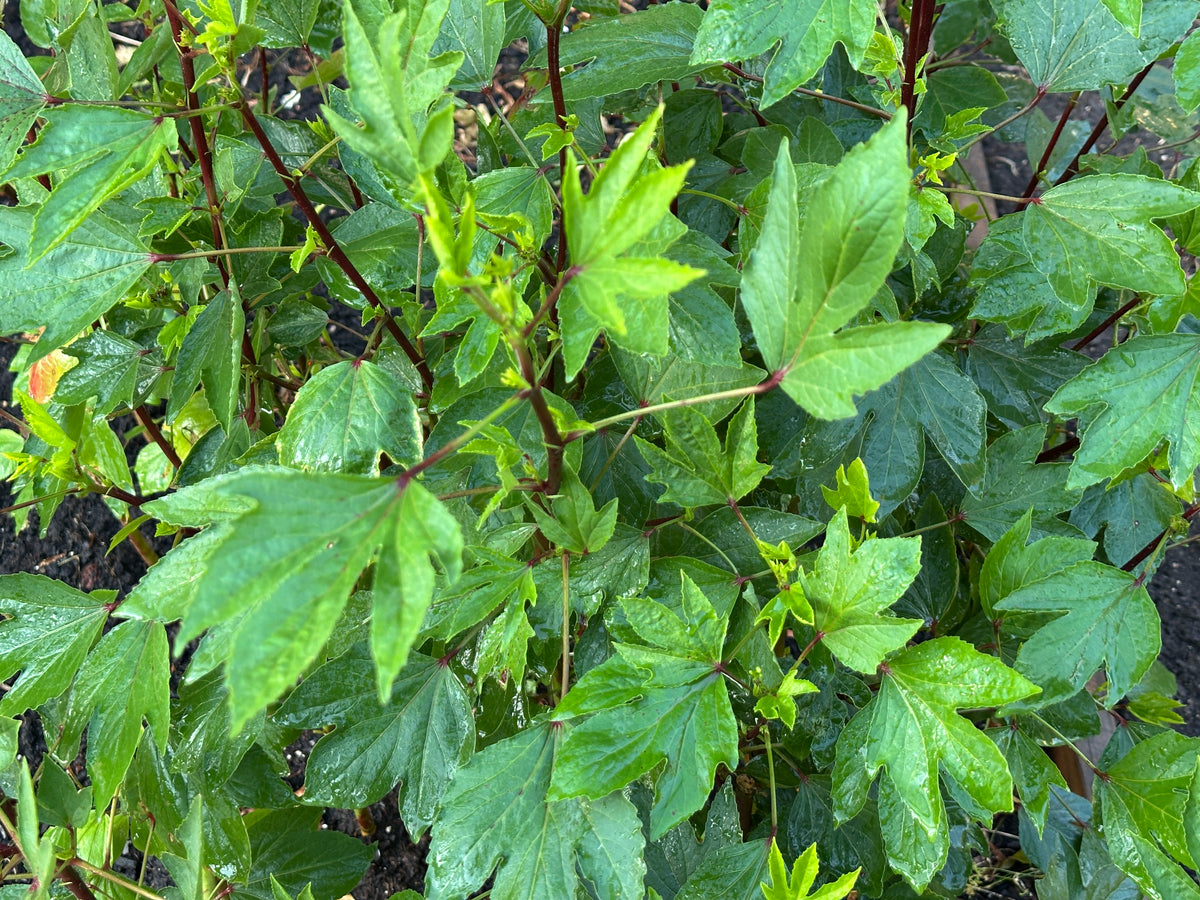
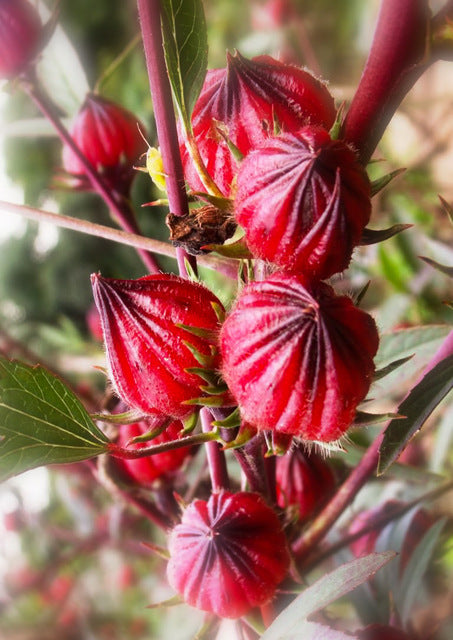
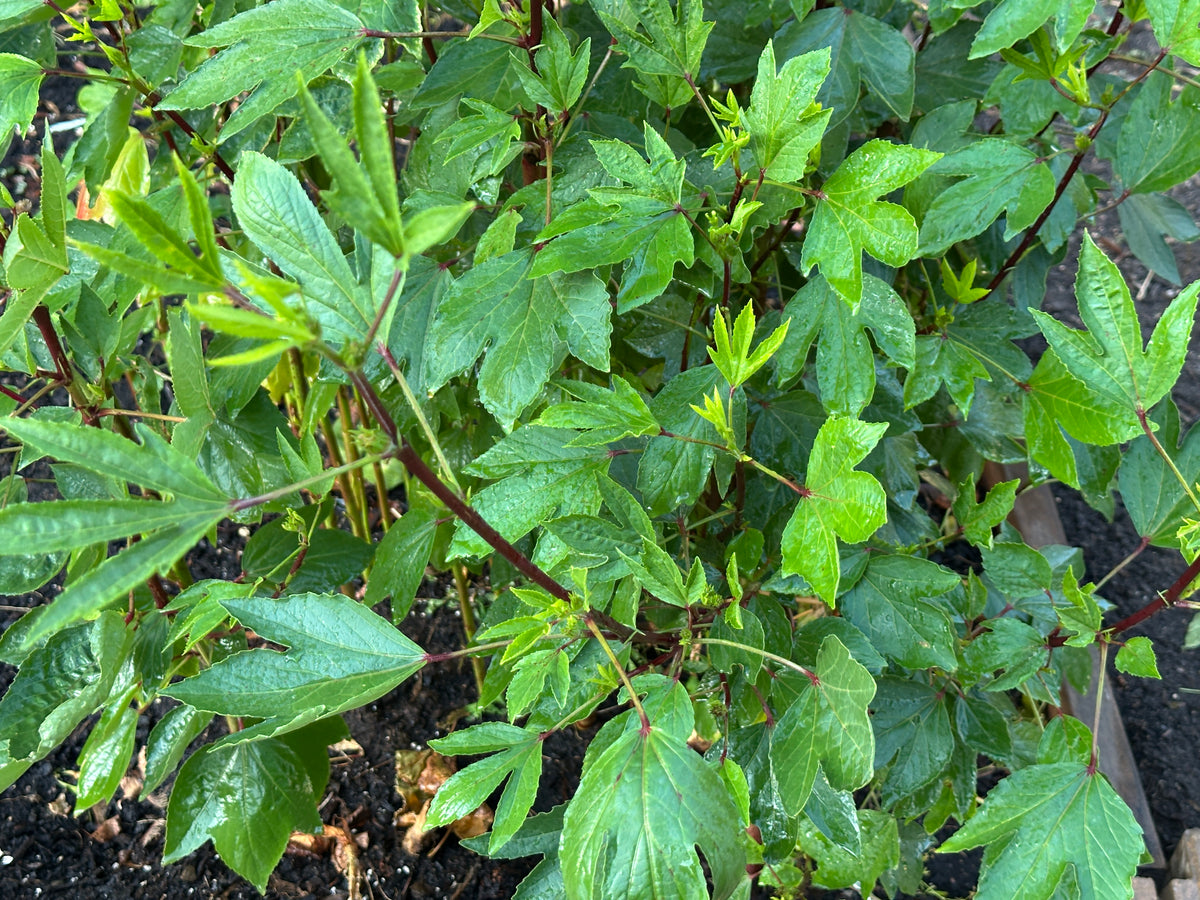
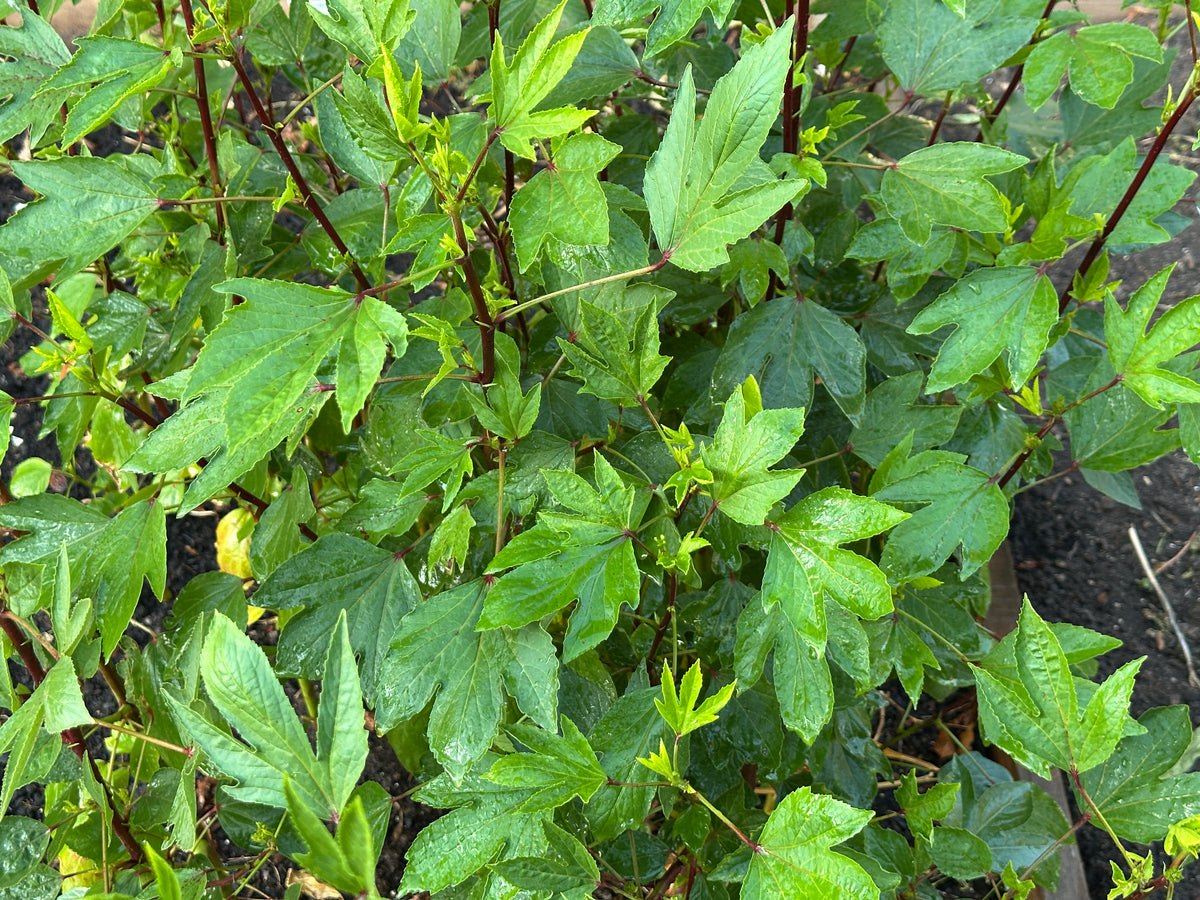
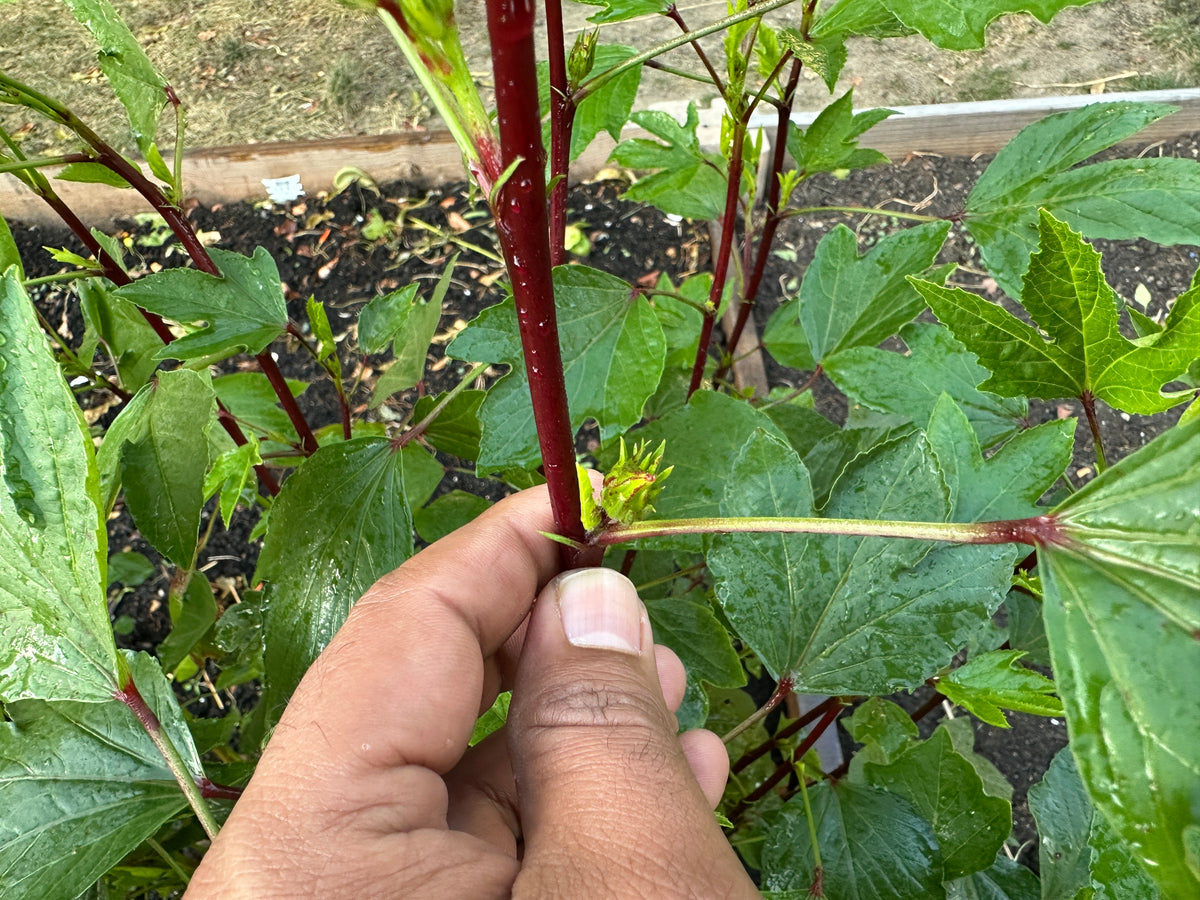
Red Gongura, also called roselle, is two crops in one striking plant. Its red stems carry sharply sour leaves, the extra-tangy gongura prized for Andhra pachadi and pappu. In fall, it forms fleshy ruby calyces that Caribbean, Mexican and West African cooks steep into sorrel drink, agua de jamaica and bissap. Tall and dramatic, it's as ornamental as it is useful.
Why Grow Red Gongura?
- Extra-tangy red gongura leaves for pachadi
- Ruby calyces for sorrel drink, tea and jam
- Striking red stems on tall plants
- Months of leaf harvests
- Rarely sold fresh in the US
Plant Profile
Botanical Name: Hibiscus sabdariffa
Common Name: Red Gongura, Roselle, Jamaican Sorrel, Florida Cranberry
Type: Heirloom, open-pollinated
Crop: Leafy green and edible calyces
Leaf Color: Green leaves on deep red stems; red calyces
Plant Habit: Tall and upright, 5–7 ft
Season: Long warm season; calyces form as days shorten in fall
Sun: Full sun
Days to Harvest: 40–50 days for leaves; calyces in fall
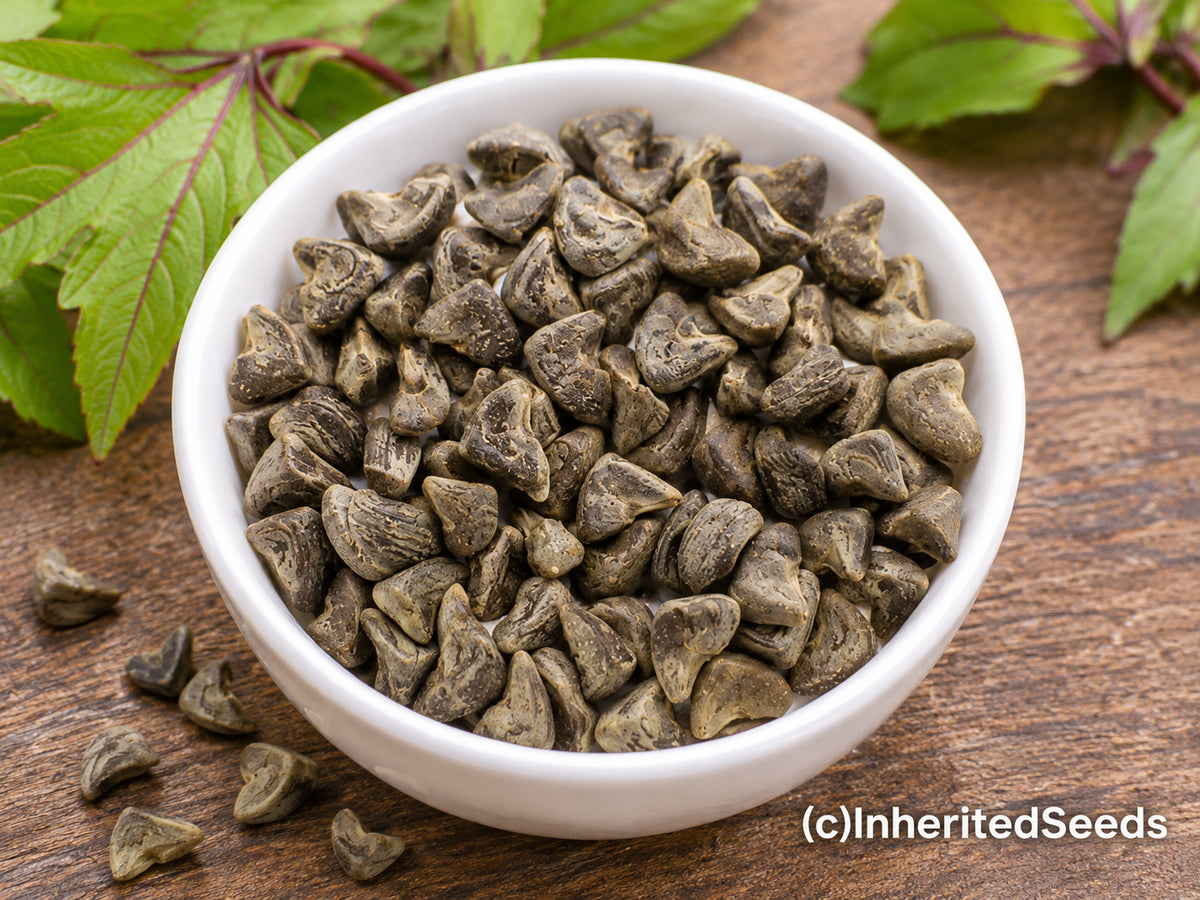
Sowing Depth: 1/4–1/2 in.
Germination: 5–10 days at 70–85°F soil
Harvest: Pick leaves anytime; cut plump calyces about 10 days after flowering
Garden Use: Garden beds, back borders, large containers
Culinary & Traditional Uses
Red gongura leaves are intensely sour; the calyces are tart and cranberry-like.
- Gongura Pachadi: the famous Andhra chutney
- Gongura Pappu and Gongura Mamsam
- Jamaican sorrel drink with ginger and spices
- Agua de Jamaica and bissap
- Roselle jam and syrup ("Florida cranberry" sauce)
- Gongura pickle
How to Grow
Roselle needs a long, warm season to make calyces. Start indoors for the best chance.
- Start seeds indoors 6–8 weeks before your last frost, or sow outdoors 2 weeks after it in warm soil.
- Sow 1/4–1/2 in. deep; seedlings appear in 5–10 days.
- Transplant 2–3 ft apart in full sun once nights stay above 55°F.
- Pick leaves for gongura from about 40–50 days. Pinch tips to encourage branching.
- Water deeply once a week and feed with compost midsummer.
- Flowers appear as days shorten in late summer and fall.
- Harvest calyces about 10 days after the flowers fade, while plump and bright red.
What NOT To Do
- Don't sow into cold soil
- Don't expect calyces before late summer; roselle waits for shorter days
- Don't strip plants bare if you want calyces later
- Don't let frost catch your calyces; harvest before the first freeze
Regional & International Names
- Telugu: Erra Gongura (ఎర్ర గోంగూర)
- Hindi: Lal Ambadi (लाल अंबाड़ी)
- Marathi: Lal Ambadi (लाल अंबाडी)
- Tamil: Pulichai Keerai (புளிச்சைக் கீரை)
- Bengali: Chukur (চুকুর)
- Malayalam: Mathipuli
- Jamaica: Sorrel
- Mexico: Flor de Jamaica
- West Africa: Bissap
- English: Roselle, Florida Cranberry
FAQ
Will I get calyces in a northern garden?
Roselle flowers as days shorten, so northern gardens may get only a small calyx crop before frost. Starting indoors helps. Leaves are reliable everywhere.
How is red gongura different from green?
Red gongura (roselle) has red stems, more sour leaves and edible calyces. Green gongura is a related hibiscus grown mainly for leaves.
How do I make sorrel drink?
Steep calyces in hot water with ginger, cinnamon and cloves, then sweeten and chill.
Seed Quality Promise
Seed Quality Promise
Every packet is heirloom, open-pollinated, non-GMO and untreated. We grow select varieties ourselves in Illinois and source the rest from trusted seed growers in the US and India. Seeds are stored cool and dry and hand-packed in small batches. Questions about your order? Email inheritedseeds@gmail.com and we'll make it right.
Share